Building with Purpose, Not Just Plans

Look, we're not gonna pretend we've got all the answers. But after fifteen years of watching buildings go up and wondering if we're doing right by the planet, we've learned a thing or two about making architecture that actually gives back.

Every project's a chance to do better than the last one. That's kinda become our obsession.
Sustainable architecture integration

What We've Actually Accomplished

Numbers don't lie, and honestly, we're pretty proud of these

67%

Average Energy Reduction

vs. conventional builds

2.4M

Litres Water Saved

annually across projects

890

Tonnes CO2 Offset

since 2018

83%

Materials Recycled

during construction
Sustainable design process

"Every material choice matters. We've literally spent hours debating the carbon footprint of door handles."

- Design Team Philosophy

How We Actually Think About This Stuff

Real talk? When we started out, "green building" felt like this intimidating checklist that'd blow every budget. But here's what we figured out through trial and error...

Sustainability isn't about cramming solar panels everywhere or using bamboo just 'cause it sounds eco-friendly. It's about understanding the site, respecting what's already there, and making thoughtful choices that'll matter in 50 years, not just at the ribbon-cutting.

We once spent three weeks redesigning a commercial project just to save a 90-year-old Douglas Fir on site. The client thought we were nuts at first, but that tree became the centerpiece of their courtyard and they thank us every time we visit.

What We're Doing Different

Passive Design First

Before we spec a single mechanical system, we're looking at orientation, thermal mass, natural ventilation. Your building should work with the climate, not fight it constantly.

We've cut HVAC loads by up to 40% just by getting the basics right.

Local Material Sourcing

BC's got incredible timber, stone, and craftspeople. Why ship stuff from halfway around the world? We've built a network of suppliers within 150km who actually care about their impact.

Plus, you're supporting local economy. That's sustainability too.

Adaptive Reuse

Sometimes the greenest building is the one that's already standing. We've transformed warehouses, old schools, and heritage homes instead of demolishing them. The embodied energy savings are huge.

And there's something special about keeping a building's story alive.

Our Design Process

01
Site Analysis & Storytelling

We walk the land, check sun paths, feel the wind patterns, talk to neighbors. Understanding the context isn't optional.

02
Energy Modeling

Before we finalize anything, we're running simulations. No guessing about performance - we want data backing up our decisions.

03
Material Life Cycle Assessment

We're tracking embodied carbon, durability, maintenance needs, and end-of-life scenarios for every major material choice.

04
Construction Oversight

Plans are just paper until they're built right. We're on-site regularly making sure our sustainable intentions actually happen.

Systems & Tech We're Using

Not everything works for every project, but here's what's in our toolkit

Geothermal Heat Pumps

We've installed these in about 60% of our residential projects over the last three years. Upfront cost is real, but the operating savings are wild.

High Efficiency
Solar Integration

Not just panels slapped on the roof. We're designing solar from day one, optimizing roof angles and integrating battery storage where it makes sense.

Net-Zero Ready
Rainwater Harvesting

Vancouver gets enough rain to make this a no-brainer. We're collecting, filtering, and using it for irrigation, toilets, and sometimes even laundry.

Resource Smart
Advanced Air Sealing

Boring but crucial. We're hitting Passive House levels of airtightness on most builds now. Your heating bills will thank us later.

Essential Tech
Sustainable residential project

92%

Energy Reduction

100%

Waste Diverted

LEED

Platinum
Case Study

The Kitsilano Net-Zero Project

This one was special. A family wanted to rebuild their 1960s bungalow but keep the neighborhood character intact. We convinced them to go net-zero, and honestly, they were skeptical about the costs at first.

Two years after completion, they're producing more energy than they use, their utility bills are basically zero, and the indoor air quality is so good their kid's asthma improved noticeably.

Key Innovations:

  • Triple-glazed windows with argon fill
  • 12" super-insulated walls (R-50)
  • Heat recovery ventilation system
  • 8kW solar array with battery backup
  • Salvaged and reclaimed materials throughout

The dad texted me last winter saying they wore shorts inside while it was snowing outside. That's the kind of feedback that makes our day.

Standards We Design To

We're not just chasing certifications, but these frameworks keep us honest

LEED Certified

Gold & Platinum level experience across multiple project types

Passive House

Meeting some of the world's most rigorous energy standards

Built Green

BC's home-grown certification that actually makes sense here

Net-Zero Ready

Designing for Canada's 2030 climate targets

Materials Matter

We've gotten pretty nerdy about this stuff

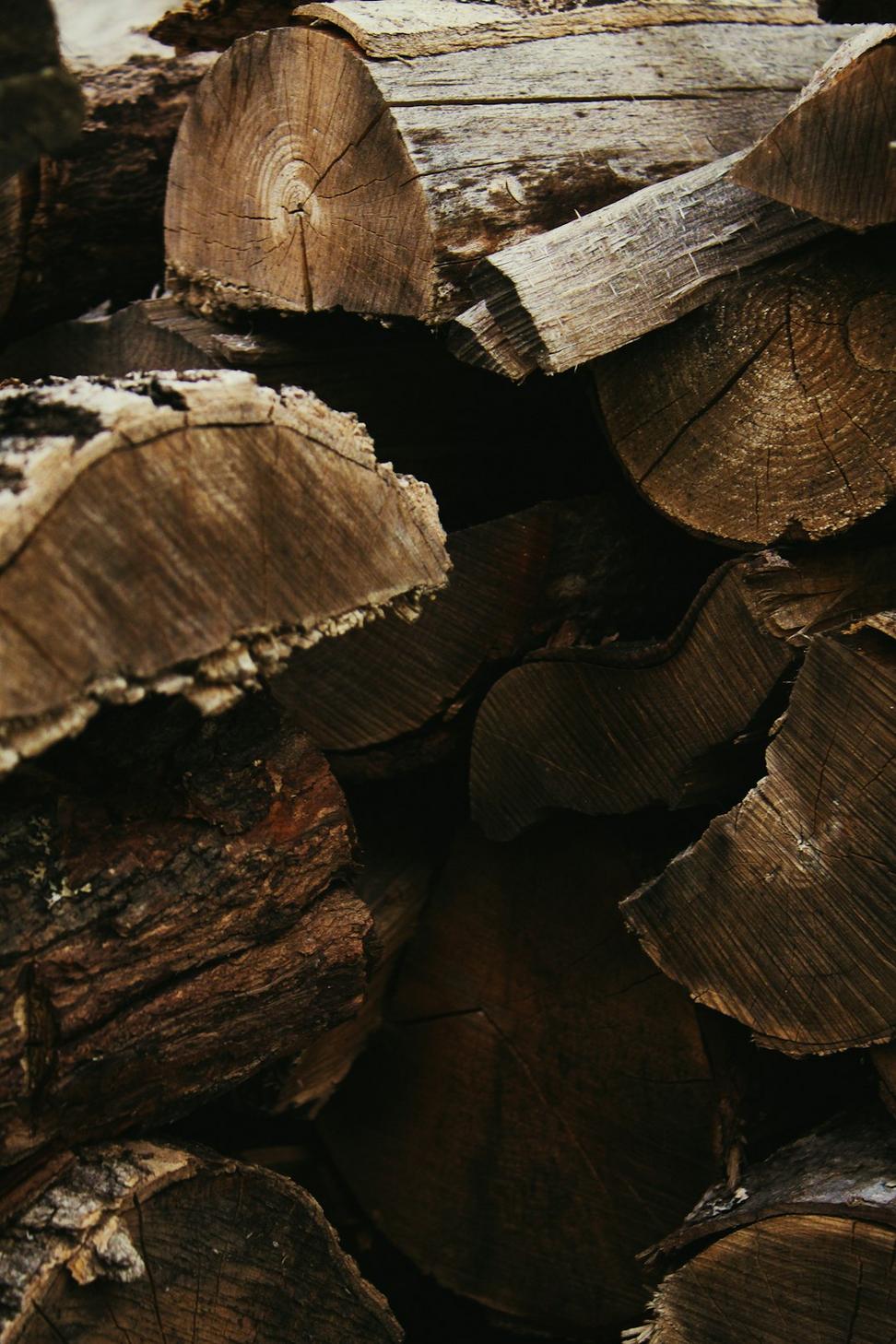
Reclaimed timber
Reclaimed & Salvaged Materials

Old growth timber from demolished buildings, heritage bricks, vintage fixtures. They've got character you can't manufacture, plus zero embodied carbon for the material itself.